The Stablecoin Moment: How USDC is Becoming the Internet's Native Currency
The Stablecoin Moment: How USDC is Becoming the Internet's Native Currency
Stablecoins are reshaping payments and financial infrastructure while USDC is pursuing to become the internet’s native currency. Learn more.

July 7, 2025 — 7 min read
Stablecoins are Web3's first real product-market fit success story.
What's unusual is that this success isn't just coming from crypto traders. Businesses use stablecoins to run global payroll and cut wire transfer costs. Governments are exploring digital currencies. People send money across borders without banks taking a cut. Stablecoins are solving real problems.
This post breaks down what's actually happening with stablecoins, the market, and the infrastructure, and makes the case for universal adoption.
Why Everyone's Talking About Stablecoins
Unlike most other crypto and Web3 products, stablecoins aren't driven by ideology. They remove friction that costs everyone time and money.
The numbers tell a story: $200 billion in stablecoin market cap and $4+ trillion in transaction volume. But the real win is how people actually use them.
For individuals
Traditional remittance services charge $30 to send $500 to the Philippines. USDC costs under $1 and arrives instantly.
A freelance developer in Argentina gets paid in USDC and sidesteps nearly 60% inflation.
For businesses
Cross-border payments that take 3-5 days through banks now settle in minutes with stablecoins.
A startup paying remote staff in ten countries no longer has to juggle currency conversions, slow wire transfers, or high fees.
Platforms like Stripe and Shopify already support stablecoin payouts.
For governments and nations
Many governments are exploring central bank digital currencies (CBDCs) that borrow stablecoin features like real-time settlement, digital wallets, and transparency.
Governments could use stablecoins for automated tax rebates, disaster relief, or even universal basic income, with full traceability.
The pattern is clear: stablecoins solve practical problems that traditional finance struggles with.
They offer speed, low cost, and global access, without the price swings that make other cryptocurrencies impractical for everyday use. In other words, product-market fit.
Beyond these practical uses, stablecoins are also growing fast because projects and protocols are building yield into them.
Yield-bearing stablecoins
Protocols like MakerDAO and Ethena issue yield-bearing stablecoins. These earn passive income from sources like U.S. Treasuries, onchain liquidity, or delta-neutral strategies.
Today, there are 50+ yield-bearing stablecoins on the market.
For individuals, you can hold a dollar-based asset and earn 4–10% APY without using traditional finance.
For businesses, it makes treasury management more efficient: idle stablecoin reserves can earn yield onchain, transparently.
Together, stablecoins are laying the early foundation of an onchain money market, one where your "digital dollar" can be both liquid and productive.
Stablecoins in 2025: What Do The Numbers Say
The numbers behind stablecoin adoption are hard to ignore:
Who’s Using Stablecoins (and How Fast That’s Growing)
An estimated 161 million people hold stablecoins. That's more than the population of the 10 largest cities combined.
18% of SMBs now use stablecoins (up from 8% in 2024)
36% of SMBs received requests to transact in stablecoins from customers, employees, or vendors
81% of SMBs express interest in using them vs 61% a year ago
Among Fortune 500 companies:
7% currently use or hold stablecoins
29% are exploring or planning to adopt them; a 3.6x jump from 2024
67% believe stablecoins enable faster, cheaper customer payments
Real Payment Volumes: How are Stablecoins Being Used
According to Artemis data, stablecoin payments cover a wide range of uses. Surprisingly, crypto and retail use aren't the biggest drivers.
Current annualized volumes include:
B2B payments lead the way, with a $36B annualized volume
P2P (peer-to-peer): $18B run rate
Card-linked payments: $13.2B
B2C (business-to-consumer): $3.3B
Pre-funding activity: $2.5B
Market Share: USDT vs USDC
USDT: $158.9B in supply (64.9% of total stablecoins)
USDC: $57.8B in supply (23.6%)
USDT still leads in raw volume. But USDC leads in institutional trust, traditional finance partnerships, compliance, and enterprise adoption.
The cherry on top: total stablecoin supply now equals nearly 10% of all U.S. currency in circulation.
Data sources:
These numbers show steady growth of stablecoins in the wider economy. Even better, the use cases are spreading, from retail P2P payments in crypto to B2B settlements. That's a healthy sign.
Stablecoins: The Product and the Promise
The biggest opportunity for stablecoins isn't just better crypto infrastructure. It's the bridge they build between traditional finance and Web3. When stablecoins plug into systems people and businesses already use, they stop being "crypto" and start being money that works better.
At its core, every stablecoin makes the same promise: a one-to-one match with the dollar and instant redemption.
Keeping that promise takes much more than good intentions. It takes:
Careful asset management
Transparent reserves
Operational reliability
Deep liquidity pools
Institutional custody partners
Strong developer tools
And, crucially, regulatory compliance
This is where Circle and USDC have built their competitive advantage.
How USDC is Becoming the Internet’s Native Currency
Other stablecoin issuers focused on trading volume or decentralization ideals. Circle built USDC as infrastructure that traditional finance, and everyone else, could trust.
Here's what that strategy looks like in practice:
Strategic Retail Partnerships
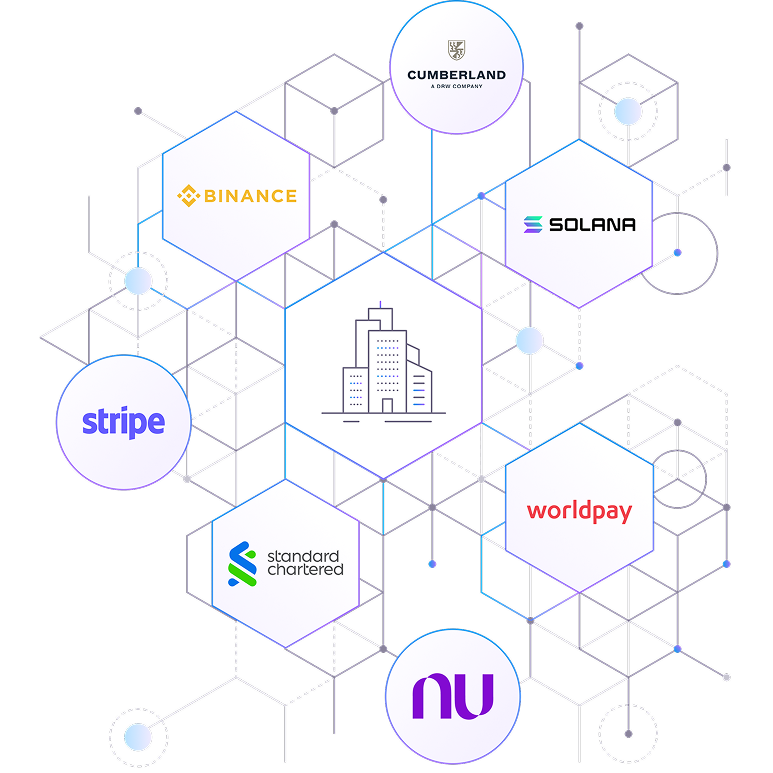
USDC is built into systems people and businesses already use:
Visa uses it to settle cross-border transactions on Ethereum and Solana
Shopify merchants can accept USDC onchain at checkout
Stripe pays global freelancers and vendors in USDC
BlackRock uses it as the base layer for tokenized fund settlements
In Southeast Asia, Grab and Rise integrate USDC into real-world consumer apps
Compliance-First Approach
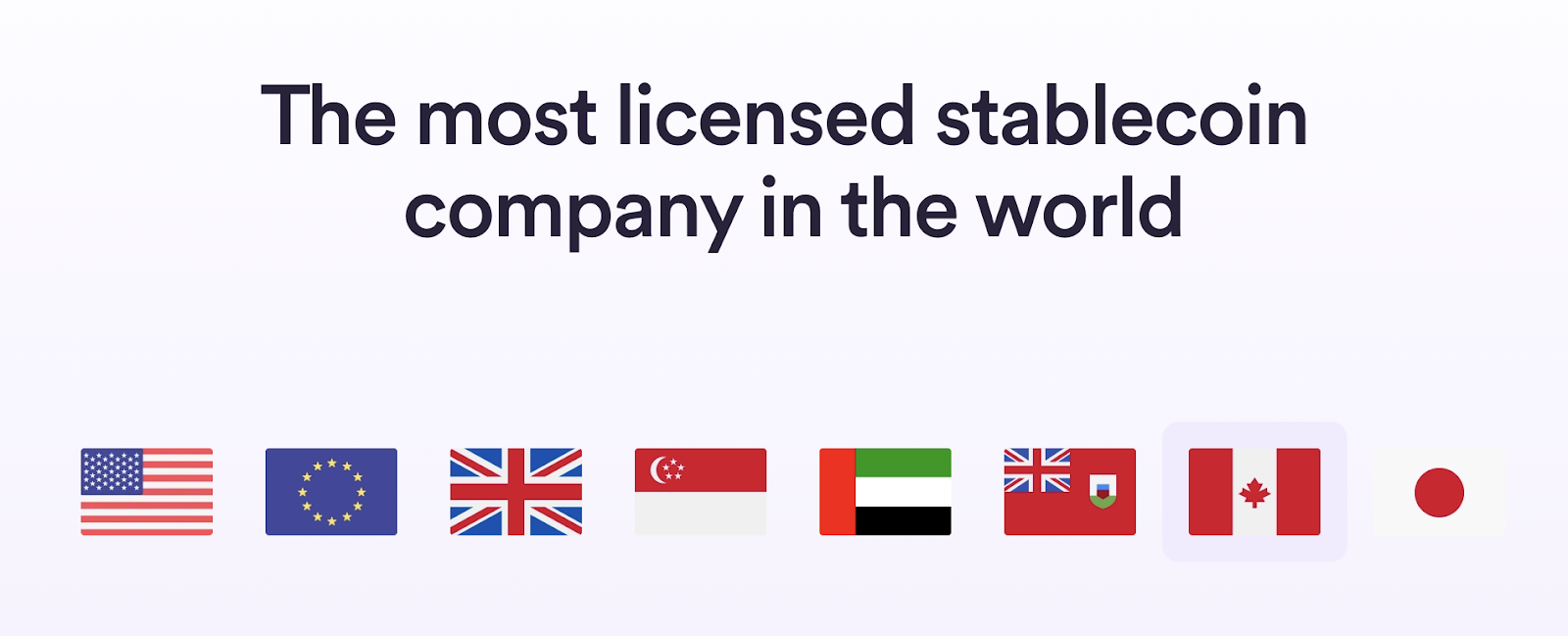
USDC was built around regulatory compliance from the start:
Fully backed by short-term U.S. Treasuries and cash
Monthly attestations and disclosures keep it transparent
Circle holds money transmitter licenses in key jurisdictions
That's why banks, asset managers, and payment networks feel more comfortable building with USDC.
Remember: a Fortune 500 CFO won't risk breaking regulations to save on transaction fees.
In pursuit of "being money that just works better," Circle and USDC are playing a long game on all sides. Their compliance work shows they intend to meet traditional finance standards. Their moves in crypto are about trust and user experience too.
Cross-Chain Infrastructure
USDC runs on many chains, including Ethereum, Solana, Base, and Avalanche, through CCTP (Cross-Chain Transfer Protocol). CCTP moves native USDC between blockchains without wrapping it or relying on outside bridges.
That matters for developers building smooth user experiences, and for users who expect their digital dollars to work wherever they are onchain.
All of this points the same way. Circle and USDC are laying the groundwork for a truly internet-native currency: dollar-backed, always redeemable, and usable everywhere across both traditional finance and crypto.
Looking Forward: What Next for Stablecoins
Stablecoins are changing how money moves. They promise a financial system that works everywhere at internet speed. In effect, stablecoins are pushing traditional finance and crypto to work together. Regulatory clarity, technical maturity, and trust are slowly growing to support that.
The future of finance is universal, with no walls, few middlemen, and access for everyone.
Frequently Asked Questions (FAQs)
What's the difference between stablecoins and CBDCs?
Stablecoins are issued by private companies, while CBDCs are digital currencies issued directly by central banks and governments.
Can stablecoins lose their dollar peg?
Yes, if reserves are mismanaged or liquidity dries up. This is why regulatory compliance and transparent backing matter.
Are stablecoin transactions taxable?
Tax treatment varies by jurisdiction. Most countries treat stablecoin transactions as taxable events, similar to foreign currency exchanges.
What happens if a stablecoin issuer goes bankrupt?
With proper backing, reserves should be segregated and redeemable. However, regulatory frameworks and reserve structures vary significantly.
How do yield-bearing stablecoins generate returns?
They invest backing reserves in treasury bills, provide DeFi liquidity, or use delta-neutral trading strategies to generate yield.
About Quicknode
Founded in 2017, Quicknode deploys institutional-grade blockchain infrastructure for developers and enterprises. With 99.99% uptime and support for 76+ chains, teams build and scale onchain applications without compromise.
Stay updated
The latest engineering insights, product updates, and web3 news delivered straight to your inbox.