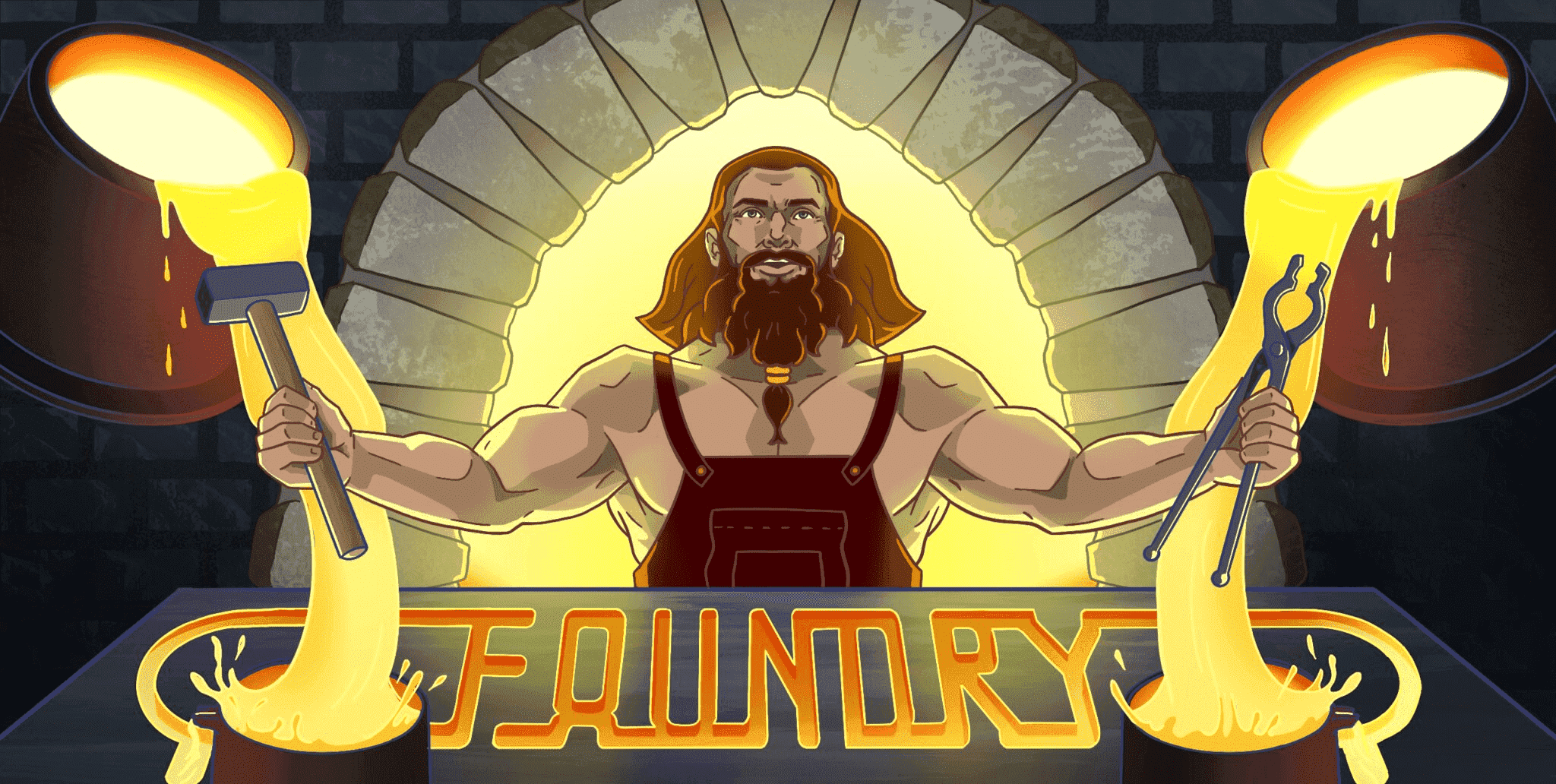
Foundry
Foundry is a fast, modular, and portable smart contract development toolkit for Ethereum, written in Rust.


Overview
Foundry is a comprehensive smart contract development toolkit designed for Ethereum developers seeking a fast, efficient, and modular workflow. Written in Rust, it offers a suite of tools that cover the entire development lifecycle: compiling, testing, debugging, deploying, and interacting with smart contracts. Foundry's core components include Forge for building and testing contracts, Cast for command-line interaction with contracts and blockchain data, Anvil as a local Ethereum node with forking capabilities, and Chisel, a Solidity REPL for rapid prototyping.
The toolkit emphasizes performance and developer productivity. Forge supports ultra-fast compilation with incremental builds and parallelized pipelines, significantly reducing build times compared to alternatives like Hardhat. It also enables advanced testing methodologies such as fuzz testing, invariant testing, and gas tracking directly in Solidity, eliminating context switching. Anvil provides a performant local Ethereum JSON-RPC compliant node that supports mainnet forking and advanced features like account impersonation and state manipulation, facilitating realistic testing environments.
Foundry stands out by combining high performance with flexibility and portability. It automatically manages Solidity compiler versions, supports both Solidity and Vyper, and integrates well with existing projects, including those with non-standard directory structures like Hardhat repos. Its command-line tools enable seamless scripting and interaction with Ethereum networks, making it suitable for CI/CD pipelines and developer automation. With an active community of over 9,000 GitHub stars and 500+ contributors, Foundry is widely adopted for DeFi, DAO tooling, NFT platforms, and enterprise blockchain projects.
Getting started with Foundry involves a simple installation via the foundryup installer script, which sets up all core binaries. Developers can initialize projects with forge init, compile and test contracts with forge build and forge test, deploy contracts using forge script, and run local nodes with anvil. Comprehensive documentation and community support via Telegram and GitHub are available to assist onboarding and advanced usage.
The Problem
Smart contract developers often face slow compilation and testing cycles, complex toolchains, and fragmented workflows that hinder productivity. Existing tools may lack efficient local blockchain simulation or seamless integration with advanced testing techniques, making debugging and deployment cumbersome.
The Solution
Key Features
Forge - Build, test, deploy, and verify contracts
Command-line tool for compiling, running tests, fuzzing, debugging, and deploying Solidity contracts.
Foundry Alternatives
Explore web3 competitors and apps like Foundry.

Subgraphs




Pricing
Open Source | |
|---|---|
| Price (Monthly) | Free |
| Price (Annual) | Free |
| Messaging | N/A |
| Support | Community support via Telegram and GitHub |
| Analytics |
Start Building Now
Reliable RPC, powerful APIs, and zero hassle.
Resources
Foundry provides extensive documentation, guides, benchmarks, and community support to help developers get started and master the toolkit. Resources include detailed installation instructions, testing and deployment guides, cheatcode references, and integration tips with popular editors and CI systems.